
Aluminium Pergolas Melbourne: How to Choose the Right Roof
Published: February 24, 2026
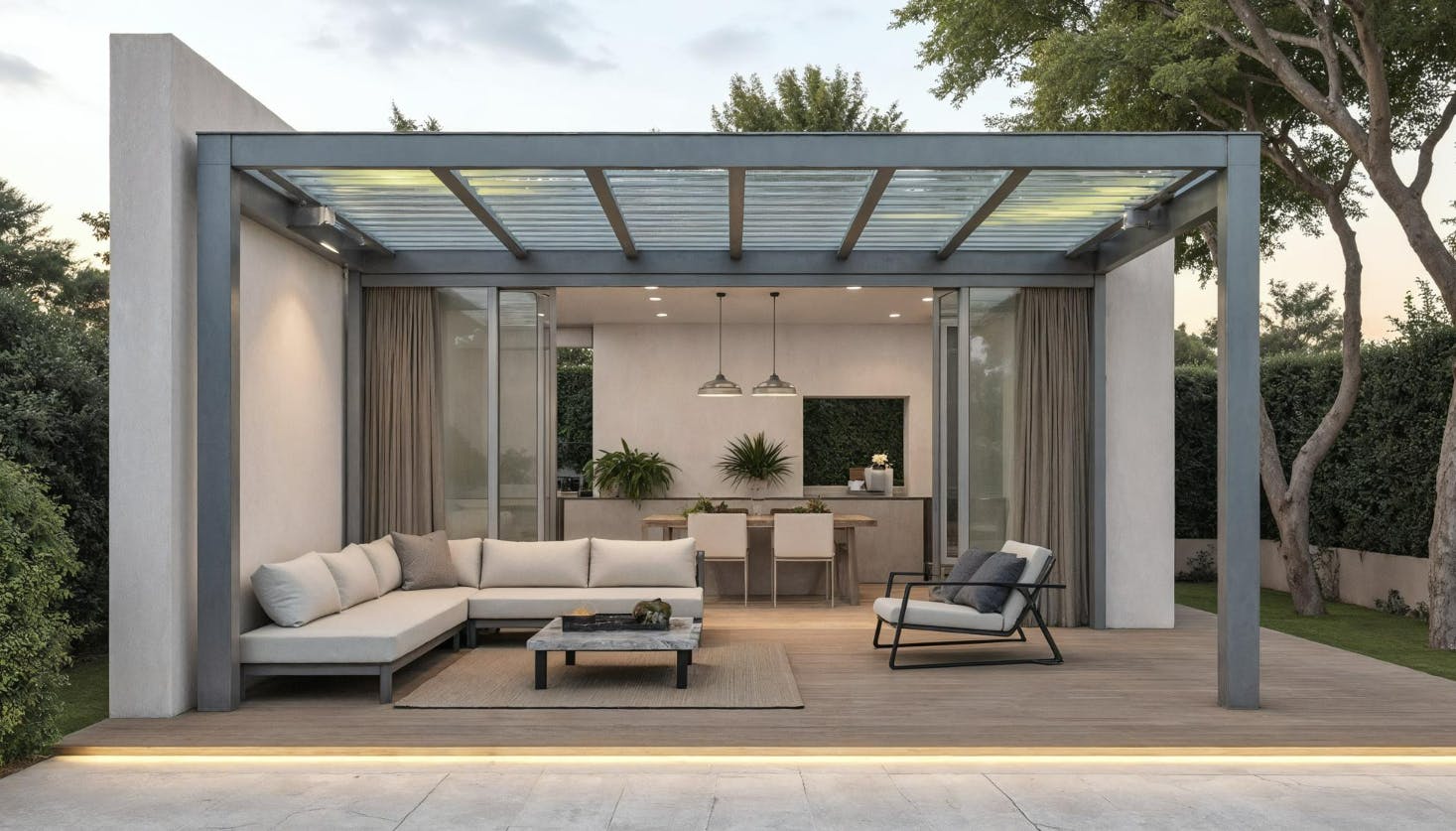
Table of Contents
- 01
- 02
- 03
- 04
- 05
- 06
Melbourne’s weather is never the predictable kind. A bright 30-degree afternoon can turn into wind and rain within hours. So if you’ve been contemplating which trending pergola design to use for yours, the roof is a major part of this decision. Undoubtedly, the weather becomes the highest priority for a solid roof structure, but it also comes down to what makes you comfortable. Your pergola can be practical, impressive looking, but rarely enriched with laughter if it doesn’t feel like home. Let’s talk about roof options for aluminium pergolas Melbourne to get a clearer idea.
Key Takeaways
- Your pergola roof should be chosen based on how you plan to use the space.
- Open slat roofs prioritise airflow and design, while polycarbonate balances light with basic protection.
- Insulated roofing offers stronger temperature control and rain protection for year-round use in Melbourne’s changing climate.
The First Thing to Do When Picking the Roof Material
Before comparing materials, it helps to think about how you plan to use your pergola.
For example, are you creating a quiet morning coffee spot with filtered light through the beams? Or are you building a covered entertaining area that needs to stay dry during a sudden downpour?
Some homeowners want openness and airflow. Others want insulation and protection. In Melbourne’s climate, flexibility and shelter become more important than expected.
In a gist, the roof you choose for your aluminium pergola is not just about its practical application. You also need to consider the experience you are expecting from the final product.
Open Slat Aluminium Roof
Looking for a minimal, architectural feel that’s light and airy? That’s exactly what an open slat roof offers. Aluminium beams are spaced to allow sunlight through while still creating partial shade. It works beautifully in landscaped gardens where filtered light adds character and the goal is to soften and not block the sun.
On a mild spring day, this style feels effortless. As air moves freely and the space remains connected to the sky, you can spend a leisurely evening relaxing after a busy day at work or enjoy some quality time with your family.
But in heavy rain, things will feel different. Water can pass through the roof. And in winter, there’s no insulation to hold warmth. So this option works best when you want design impact and seasonal use rather than full weather protection. It’s a conscious aesthetic choice one can make based on personal preferences.
Polycarbonate Roofing
Polycarbonate panels let light in while still providing overhead cover. So if your backyard is shady, a pergola with polycarbonate roofing will help you enjoy the warm weather with no exposure to direct UV rays. Not to forget, this type of roofing is cost-effective.
However, polycarbonate panels do trap heat on hotter days if they aren’t properly tinted. In addition, if sounds of nature like stormy weather are just noise to you, then your pergola’s roofing should absolutely not be polycarbonate roofing since these thin and lightweight sheets, though cost-effective, do amplify sound. Nature lovers who admire every single sound that their natural surroundings have to offer, wouldn’t mind as much.
The key point to remember is polycarbonate roofing complements natural light well. And if natural light is not the best feature about your space for the pergola, then you’ve got better alternatives.
Insulated Panel Roofing
Insulated roofing is the ideal choice for most Melbourne homeowners who want protection from changing weather conditions.
As the name itself implies, the panels in insulated panel roofing include an insulated core between two metal layers. It is this core that keeps the pergola cooler in summer and less exposed to chill in winter by reducing heat transfer.
In addition, this roof has the ability to soften the sound of rain, if that’s something you want to avoid during a storm. Inside the pergola, the finish feels cleaner and solid, almost like an extension of the house rather than a simple outdoor cover. You can also integrate lighting and ceiling fans easily.
If you imagine using your aluminium pergola throughout the year for family dinners, winter gatherings, or relaxed evenings (even in stormy weather), then insulated roofing provides the most balanced solution for Melbourne’s changing conditions.
So What is the ‘Best’ Pergola Roof?
The best aluminium pergolas Melbourne come with fewer compromises for you, and the roof plays a significant role there. In other words, the roof of your pergola should suit the climate and support your lifestyle to be the ideal space you envision when planning this addition to your home.
In many ways, a pergola roof functions like the roof of your home. Although aesthetic appeal is important, performance matters just as much. It determines whether the space feels warm or cool, sheltered or breezy, and bright or softly shaded. The choice is yours to make.
However, if the aesthetic appearance an aluminium pergola adds to your home is what you need the most, then focusing on the roof’s architectural structure rather than other factors centring around a comfortable experience will help you to choose the ideal pergola roof.
Wondering which roof type suits your aluminium pergola? Our team at Spanmor can guide you by assessing climate exposure and your lifestyle needs. Call us on (02) 8880 7691 Monday to Friday, 8am to 4pm, or request a quote online to get started.
Categories
Build Smarter with Aluminium You Can Trust
Dive into expert insights, guides, and practical advice on aluminium framing, decking systems, pergolas, and outdoor living solutions.

Sales Representative
Updated: February 24, 2026
Published: February 24, 2026
Categories
Build Smarter with Aluminium You Can Trust
Dive into expert insights, guides, and practical advice on aluminium framing, decking systems, pergolas, and outdoor living solutions.
 Spanmor Aluminium System - Limited Warranty