
Building Aluminium Pergolas Attached to the House: The Australian Landscaping Guide
Published: February 24, 2026
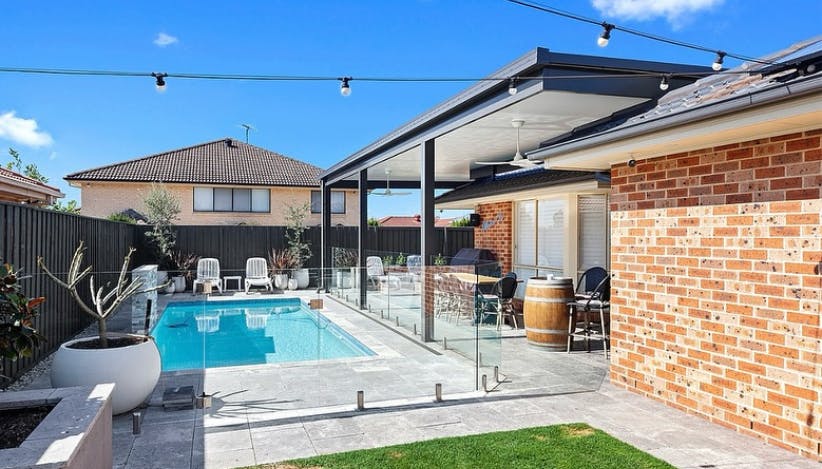
Table of Contents
- 01
- 02
- 03
- 04
- 05
- 06
- 07
- 08
- 09
- 10
- 11
A backyard should feel like part of your home rather than an unusable space left to itself. Most homeowners attach aluminium pergolas to the exterior wall of their house to make use of this space productively. A sleek, minimalist and clean-looking outdoor area that can be used for entertainment in both sunshine and rain is a cool addition to your contemporary home design. The plus point is that an aluminium pergola creates such a shelter with minimum maintenance needed and no harm done to the existing architecture. In this guide, you’ll learn exactly when an attached aluminium pergola makes sense, how it connects to your home, what Australian regulations apply, expected costs, and how to choose the right roof for lasting comfort.
Key Takeaways
- An attached aluminium pergola turns unused backyard space into a functional, weather-protected outdoor room.
- Aluminium is durable, low maintenance, and built to handle Australia’s harsh climate conditions.
- Council regulations and structural requirements vary, so professional installation helps ensure compliance and long-term performance.
- The right roof choice directly affects comfort, insulation, and year-round usability.
- Well-designed aluminium pergolas contribute to increased property value.
Signs You Need an Attached Aluminium Pergola in Your Backyard
Is there a part of your backyard you avoid in summer because it gets unbearably hot? Or maybe it’s a small area that feels wasted simply because it’s not large enough for an extension and is also too exposed to use comfortably.
Attaching an aluminium pergola to your house can solve this space problem without major construction. It creates shade where you need it and turns an awkward patch of concrete into a recreational space you’ll actually use.
In Australia, we spend a lot of time outdoors (or at least we try to). So it’s not abnormal if you have found yourself in one or more of these situations:
- You’ve moved gatherings inside because rain started unexpectedly.
- You want more room to spread out, but a renovation feels excessive.
- Your patio looks unfinished, like something’s missing.
- You’re thinking ahead about resale value.
If this sounds familiar, it’s worth speaking to a builder about an attached aluminium pergola.
A well-designed pergola gives you control over the weather and makes your backyard feel like part of the house rather than an unused space behind it. And once it’s covered and usable, you’ll definitely find yourself stepping outside more often than you used to.
What’s the Difference Between a Pergola and a Patio?
You could think of pergolas and patios as close relatives. Although they appear together and share similar features, each serves different purposes and comes from varying design ideas.
A patio is the ground-level foundation, and it’s usually made from concrete, paving, or decking. It creates a stable surface for outdoor furniture, dining settings, and entertaining areas, including pergolas. On its own, a patio is exposed to weathering.
A pergola, on the other hand, is the structure that’s built above a surface such as a patio. It provides overhead cover, protecting you from sunlight, heat, and rain. When attached to the house, an aluminium pergola visually extends your home and makes the patio feel like a true outdoor room.
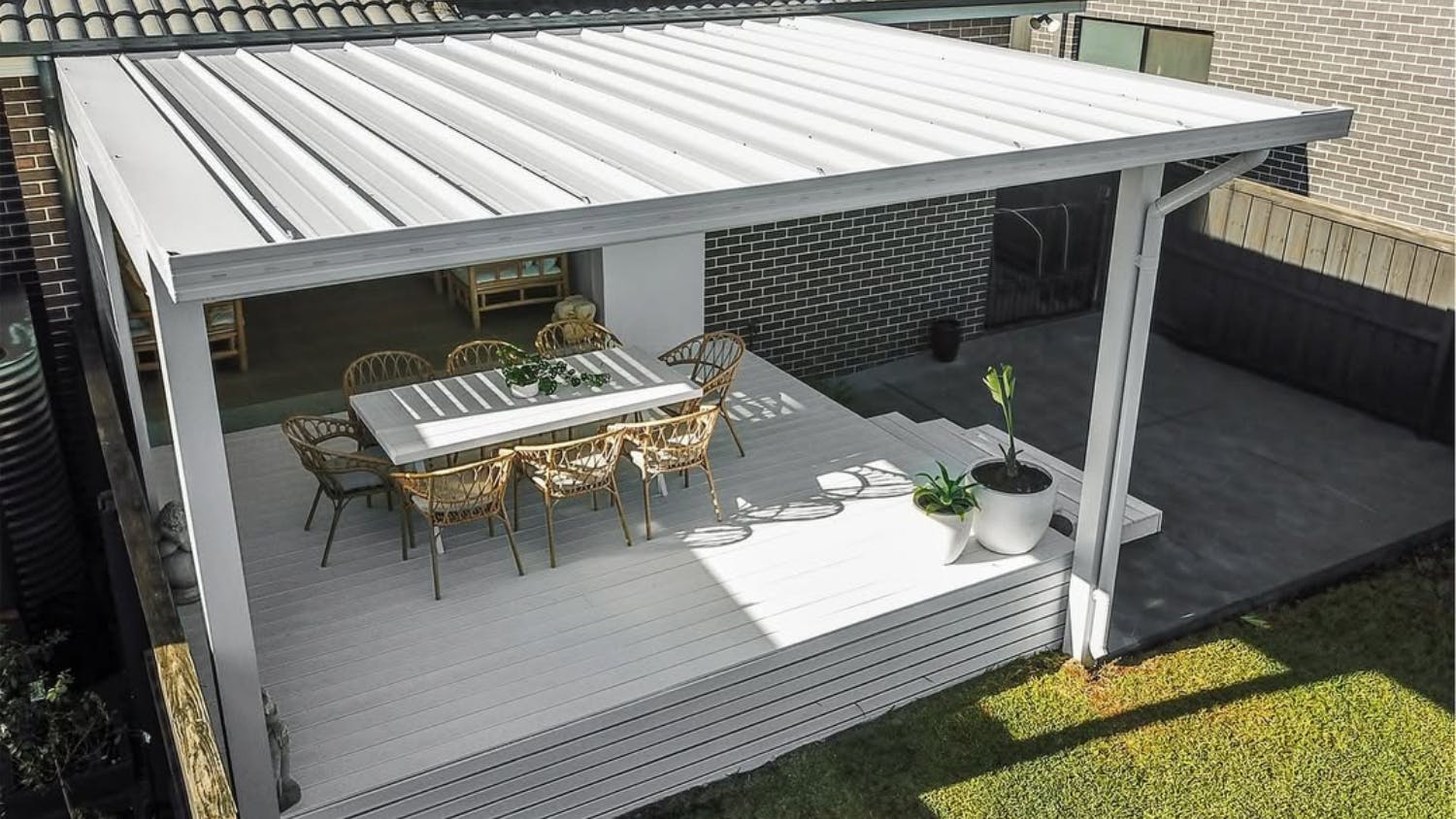
Modern pergolas are usually built from aluminium because it is strong, rust-resistant, and requires very little maintenance compared to timber. Aluminium frames also allow for slimmer, cleaner lines that suit contemporary Australian homes. Together, the patio forms the base, while the pergola adds comfort, shelter, and architectural presence.
Why Aluminium Is the Smartest Material For Your Pergola
When attaching a structure to your home, one of the main aspects you simply must consider is durability. Here’s how aluminium stands out as one of the most used materials for your pergola:
- Low maintenance: Aluminium neither rots nor cracks, nor does it attract termites. Plus, it doesn’t need sanding or repainting every few years. A simple wash keeps it looking sharp.
- Weather resistant: Australian weather conditions are tough. Coastal salt air, strong UV exposure, and sudden storms can wear down timber quickly. Aluminium resists corrosion and handles heat without warping.
- Lightweight but strong: Despite being lighter than steel, aluminium offers excellent structural strength. That makes the pergola installation easier and reduces the load on your home’s exterior wall.
- Modern finish: Powder-coated aluminium comes in colours that match fascia, window frames, and roofing. So it suits contemporary homes and renovated properties alike.
For homeowners who want longevity without constant upkeep, aluminium is the practical choice.
How to Attach an Aluminium Pergola to Your House
Attaching a pergola to your home requires more than drilling into brick. A secure installation completed by professional builders involves:
- Installing a ledger board: The ledger board is fixed to the structural frame of the house. It acts as the foundation for one side of an attached aluminium pergola to distribute the pergola’s weight evenly.
- Adding proper flashing: Flashing is installed where the pergola meets the roof or wall. This prevents water from entering the wall cavity and damaging it. If your builder doesn’t complete this step properly, attaching the pergola can lead to long-term moisture damage.
- Ensuring correct roof pitch: The roof must slope away from the house for proper drainage. Since heavy rain is expected in Australian weather, this is a must.
- Securing posts and footings: Even attached pergolas require vertical posts supported by concrete footings for wind stability and structural integrity.
When adding an attached aluminium pergola to your house, professional installation rather than DIY work is recommended since this renovation directly impacts your home’s current structure.
Do You Need Council Approval for a Pergola in Australia?
Council requirements vary across Australia. In many cases, small pergolas may qualify as exempt development if they meet specific criteria such as:
- Height limits
- Boundary setbacks
- Maximum roof area
- Structural compliance
However, approval may be required if:
- The pergola is large.
- It includes a solid or insulated roof.
- It’s built in a bushfire-prone area.
- It affects drainage or structural load.
Even if formal approval isn’t required, the structure must still comply with the National Construction Code. Therefore, before starting to build a pergola, check with your local council or speak with a licensed installer who understands regional regulations.
Cost of an Aluminium Pergola Attached to Your House
Several factors affect the cost of an aluminium pergola installation in Australia, with the main ones being the roof type, size and design, installation method, and permits required. In general, the estimated cost breakdown is:
- Basic flat-roof aluminium pergola: $5,000 – $10,000
- Insulated panel roof system: $10,000 – $20,000+
- Motorised louvre system: $15,000 – $30,000+
Make sure you always request a detailed quote outlining materials, labour, compliance, and warranties when seeking a licensed builder. A quality installation might seem more costly at first, but it will save you from expensive repairs later on.
What Kind of Roof Should You Choose?
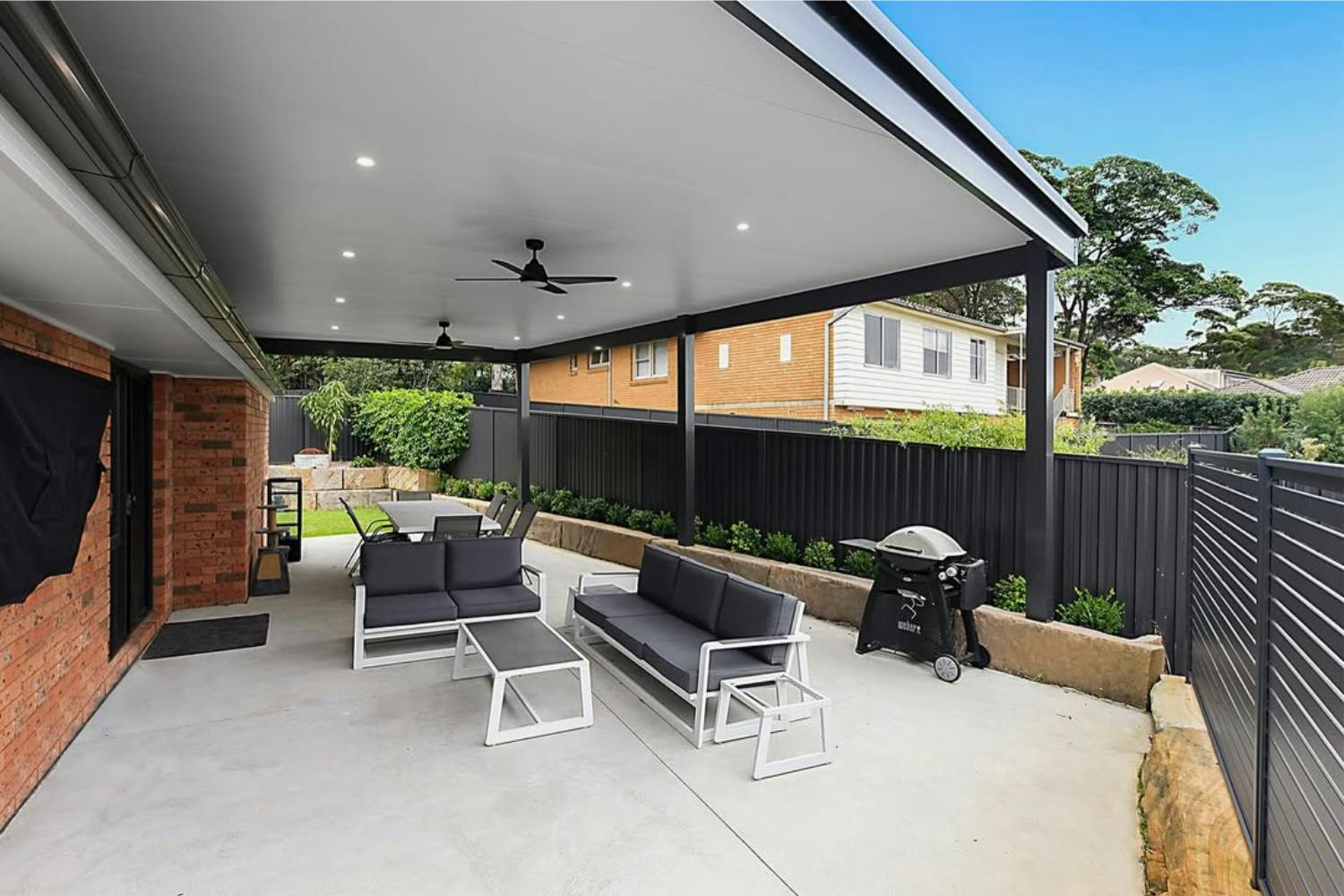
When you really think about it, the roof of your pergola has the biggest impact on comfort. Just as with the roof that shelters your home, a pergola’s roof controls how safe and cosy your time there is. Some of the common options for roofing in an attached pergola are explained below. However, we do recommend consulting a professional aluminium supplier in Australia for more customised solutions that suit your home setting.
- Polycarbonate roofing: This allows natural light and is UV resistant in addition to being a budget-friendly option.
- Insulated panels: The insulated core acts as a barrier to heat transfer, keeping the area beneath cooler on hot days (by up to 15-20°C/°F) and retaining warmth during colder winter months.
- Louvred systems: A louvred roof system for a premium pergola provides all-weather versatility by allowing you to adjust rotating panels to control shade, sunlight, and ventilation.
Choosing the wrong roof can make your pergola too hot in summer or too dark throughout the year. For a detailed comparison of materials, read our guide: Choosing the Right Roof for Your Aluminium Pergolas Melbourne.
The Aluminium Pergola Installation Process
Unlike how a DIY kit would instruct you, a custom pergola installation attached to the exterior wall of your house includes a few key steps:
Step 1: Site Assessment
Measurements are taken and attachment points inspected.
Step 2: Design Confirmation
Roof type, size, colour, and optional features are finalised.
Step 3: Compliance & Engineering
Structural calculations are reviewed, and council approvals are obtained if required.
Step 4: Fabrication
Aluminium components are prepared and powder-coated.
Step 5: Installation
Posts are installed, the ledger board secured, roofing added, and flashing sealed.
Step 6: Final Inspection
The structure is checked for stability, alignment, and waterproofing.
Apart from long-term protection, professional installation by a trusted Australian supplier guarantees compliance and warranty protection.
Increase Home Value With an Attached Aluminium Pergola
Aluminium pergolas do more than improve comfort. They make your home more appealing to future buyers and can contribute to stronger resale value.
Real estate experts consistently note that well-designed outdoor living areas increase buyer interest because they expand usable space. In Australia’s climate, outdoor zones aren’t seen as extras because they are expected. An aluminium pergola that creates shade, structure, and defined entertaining space can help a property stand out in a competitive market.
If you are considering an aluminium pergola that’s built to Australian standards and designed to last, speak with the reliable team at Spanmor. Our engineered aluminium systems are manufactured for strength, durability, and clean architectural appeal.
Call us on (02) 8880 7691 Monday to Friday, 8am to 4pm, or request a quote online to get started.
Further Reading
Categories
Build Smarter with Aluminium You Can Trust
Dive into expert insights, guides, and practical advice on aluminium framing, decking systems, pergolas, and outdoor living solutions.

Sales Representative
Updated: February 24, 2026
Published: February 24, 2026
Categories
Build Smarter with Aluminium You Can Trust
Dive into expert insights, guides, and practical advice on aluminium framing, decking systems, pergolas, and outdoor living solutions.
 Spanmor Aluminium System - Limited Warranty