
The Australian Homeowners’ Guide to Building A Modern Pergola with Aluminium Beams
Published: January 26, 2026
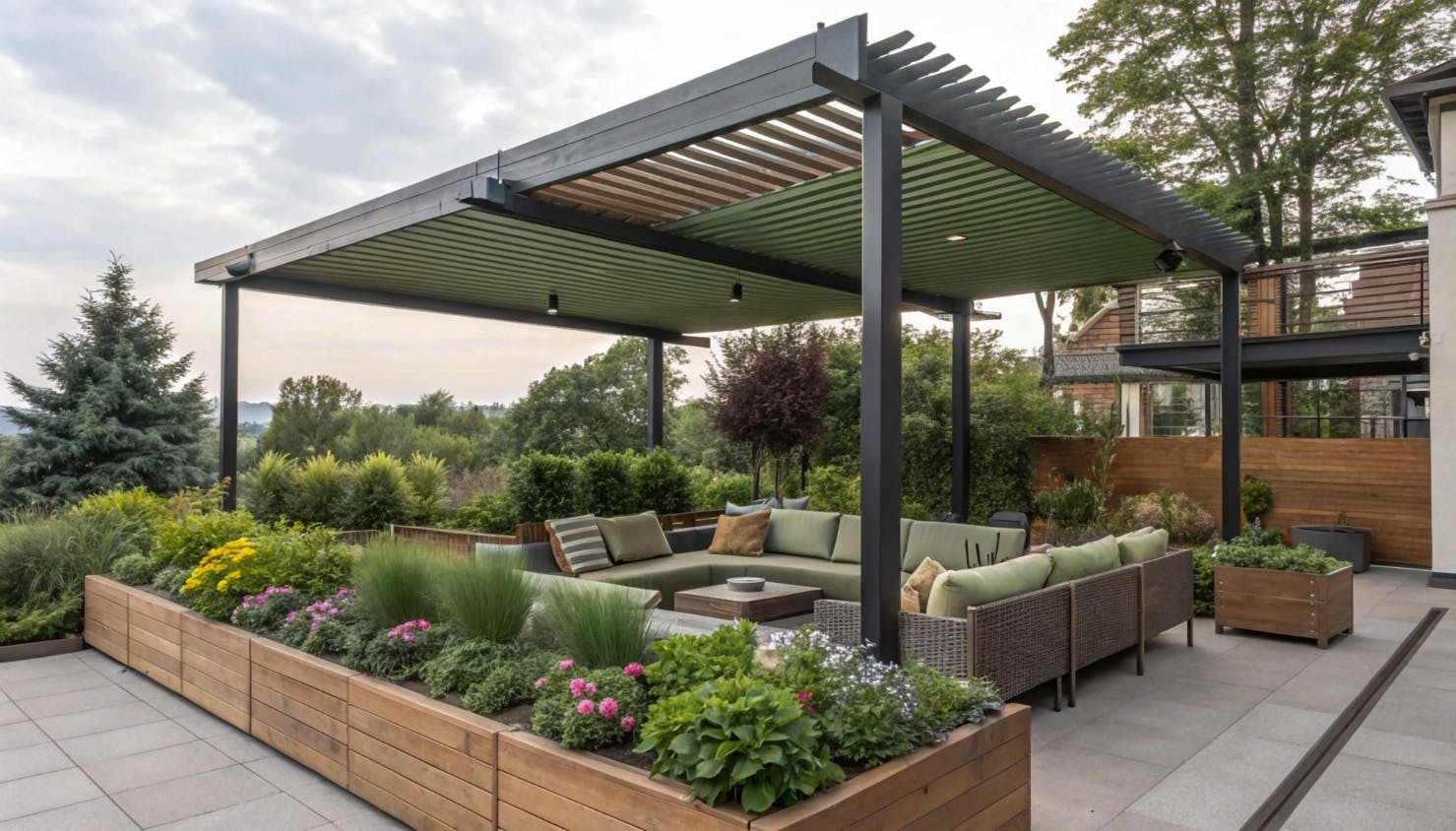
Table of Contents
- 01
- 02
- 03
- 04
- 05
- 06
- 07
- 08
- 09
Building a pergola as a homeowner in Australia comes with a few big decisions. You need to choose a design, material, and size that meet local building standards, stand up to unpredictable weather, and still work with your home’s architecture. That balance isn’t always easy. You could be living in a cosy, traditional home or a sleek, newly built one. Either way, adding a pergola will change how your home looks. No doubt, a large outdoor structure like a pergola will be one of the first things people notice when they pass by, which means it needs to feel like it belongs. Your pergola should be complementing your home’s landscape and style, without competing with it. This guide walks through what it takes to build a strong and well-designed pergola in Australia and explains why aluminium beams are a smart material choice.
Key Takeaways
- Pergola approval requirements vary by Australian state and are driven by structure size, height, attachment, and zoning.
- Aluminium beams resist rot, termites, corrosion, and warping, making them better suited to Australian weather than timber or steel.
- Lightweight aluminium reduces installation effort and transport costs without compromising structural strength.
- Aluminium beams allow modern pergola designs such as flat roof, louvred, retractable, freestanding, and attached structures.
- Higher upfront aluminium costs are offset by a longer lifespan and the absence of ongoing maintenance expenses.
Rules for Installing a Pergola in Australia
Before choosing a design and picking materials, you need to consider council regulations for building a pergola. Whether or not you need approval from the state and local planning authorities to build a pergola depends on:
- Where you live
- The size and height of the pergola
- The type of pergola
Note how building codes for pergolas vary according to the state you live in:
- New South Wales: Your pergola falls under complying development with height, size, and boundary setbacks.
- Victoria: If your pergola is attached or roofed, you need a building permit.
- Queensland: If your house is in a cyclone-prone zone, approval is needed based on roof coverage.
- South Australia: Exempt development is allowed for pergolas under 3m height and 20m². Larger or attached pergolas require a development application.
- Western Australia: The Western Australian Planning Commission allows exempt development for pergolas under 2.4m height and 20m². A building permit needed for larger or attached pergolas.
- Tasmania: Exempt development for pergolas under 3m height and 20m². Larger or attached pergolas need a planning permit.
- Australian Capital Territory (ACT): Exempt development is allowed if the pergola is under 3m in height and 20m². Larger or attached pergolas require a development application.
- Northern Territory (NT): Exempt development for most pergolas. Larger structures or those in flood-prone areas need a building permit.
In addition, you’ll need to check with your local council to determine how close to property boundaries or fences your pergola can be built. You should not be doing anything that will obstruct neighbours’ views or create privacy concerns.
If you live in a heritage-listed area, special permission will be required to make sure the pergola does not affect the area's historical significance. Special circumstances will also apply if your home is located in a heritage-listed area or if the outdoor project is interfering with utility services such as water pipes, power lines, or gas mains.
It's important to confirm all local building and planning codes before you begin. Contact your local council or a construction expert in Australia to guide you through the specific requirements for your area.
Popular Pergola Material Choices
The four most common types of material that homeowners choose to build their pergolas with include:
- Timber
- Steel
- Aluminium
- Vinyl
Each of these materials has its pros and cons, with options varying in durability, maintenance needs, and aesthetic appeal. For more detailed information on selecting materials, check out our article on aluminium pergola beams to explore additional choices and considerations.
Benefits of Aluminium Beams for Your Pergola
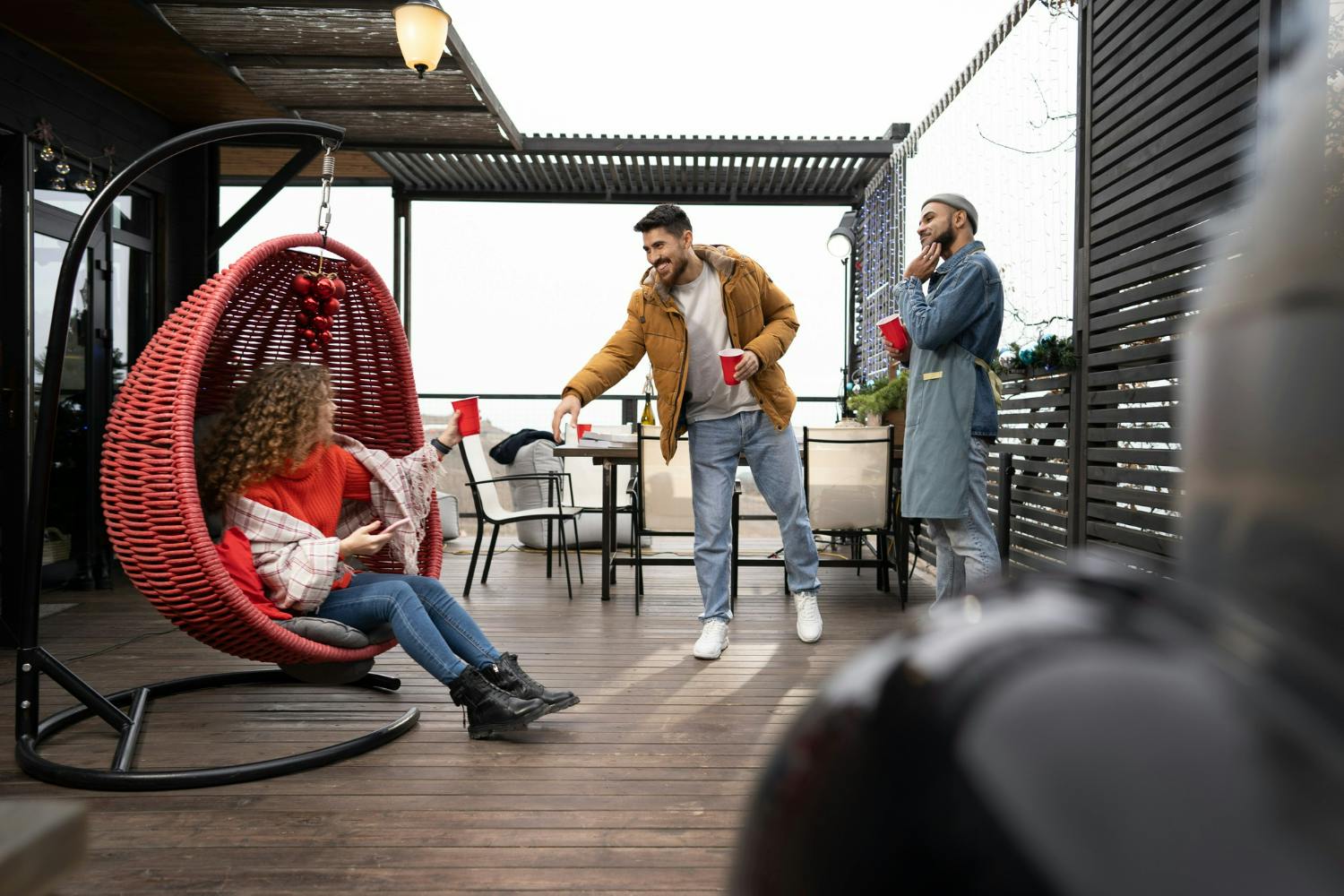
Aluminium beams are structural components made from an alloy of aluminium, designed to bear loads and support outdoor structures. They are a popular choice for decks, pergolas, subfloor systems, and other architectural applications.
Construction workers prefer aluminium beams in outdoor projects because they are resistant to rust and rotting. Especially in Australian weather conditions, strength and durability of the material chosen for your outdoor pergola matter immensely.
To sum up the key benefits of aluminium as the material for your pergola, aluminium beams are:
- Durable and weather-resistant
- Lightweight and easy to handle
- Require minimal maintenance
- Economical as fewer repairs are needed
Although timber has traditionally been the go-to material for outdoor structures due to its natural look, termite damage is a huge concern in Australian homes. Aluminium beams, by comparison, are completely weatherproof and pest resistant. In addition, timber beams can sag under heavy loads.
Steel beams are also strong, but they are heavier, increasing transport and installation costs. They are also prone to corrosion, so separate coatings are needed, particularly in areas with high humidity and salty air, such as coastal regions like the Northern Beaches of New South Wales.
Types of Pergolas You Can Build with Aluminium Beams
When considering aluminium beams for your pergola, it’s worth looking at the range of designs and structures this material supports. Thanks to its strength, lightweight nature, and resistance to corrosion, aluminium works across both classic and contemporary pergola styles.
If you’ve already selected aluminium beams as the choice of construction material for your pergola, you’ll be able to choose a design that’s traditional or modern depending on what feels right at your home.
You can opt for a contemporary pergola that leans into clean lines, open forms, and flexible features if you prefer minimalist styles. Aluminium fits naturally here because it’s strong without being bulky.
The most common contemporary pergola styles available to suit Australian weather include:
- Flat roof pergolas: Great if you own a modern house with minimalist architecture.
- Louvred roof pergolas: You get more control with adjustable slats to manage sunlight and airflow.
- Retractable roof pergolas: More flexibility to add sliding roofs that open and close as the weather changes.
- Freestanding modern pergolas: This design gives you the freedom to place the pergola anywhere you want, away from the house.
If you want a classic pergola without the maintenance demands of timber, then you can go for any one of these classic styles built using aluminium beams and frames:
- Attached pergolas: This style means your pergola is connected to the house directly, creating a natural transition between indoor and outdoor living.
- Gable roof pergolas: The optimal design if water runoff is an underlying issue since its roof is a pitched roof that mirrors traditional house rooflines.
- Skillion roof pergolas: You get a clean design that suits both older and newer homes. These roofs slope in one direction and are practical for water runoff.
Overall, aluminium beams support a wide range of pergola designs while keeping structures lightweight, low-maintenance, and visually clean. This flexibility makes aluminium a strong option for homeowners looking to balance design freedom with long-term performance.
Choosing the Right Pergola Size for Your Yard
You need to match the structure to your yard’s proportions and intended use with standard, comfortable heights ranging from 8 to 12 feet. Common pergola dimensions include:
- Small (10’ x 10’): Designed for intimate seating or smaller decks.
- Medium (10’ x 14’ or 12’ x 12’): Good for medium-sized yards, accommodating a sofa set or dining area.
- Large (12’ x 20’): Suitable for large yards, a complete outdoor kitchen, or extensive entertaining.
We advise homeowners to prioritise the existing architectural style when choosing a pergola design so that there is adequate space to walk around it.
Modern Accessories for Your Pergola
Your pergola can easily transform into a functional and luxurious outdoor living area in any season with the right accessories. For added privacy and protection from weather and insects, consider retractable side screens, sliding glass panels, aluminium shutter walls, or privacy blinds.
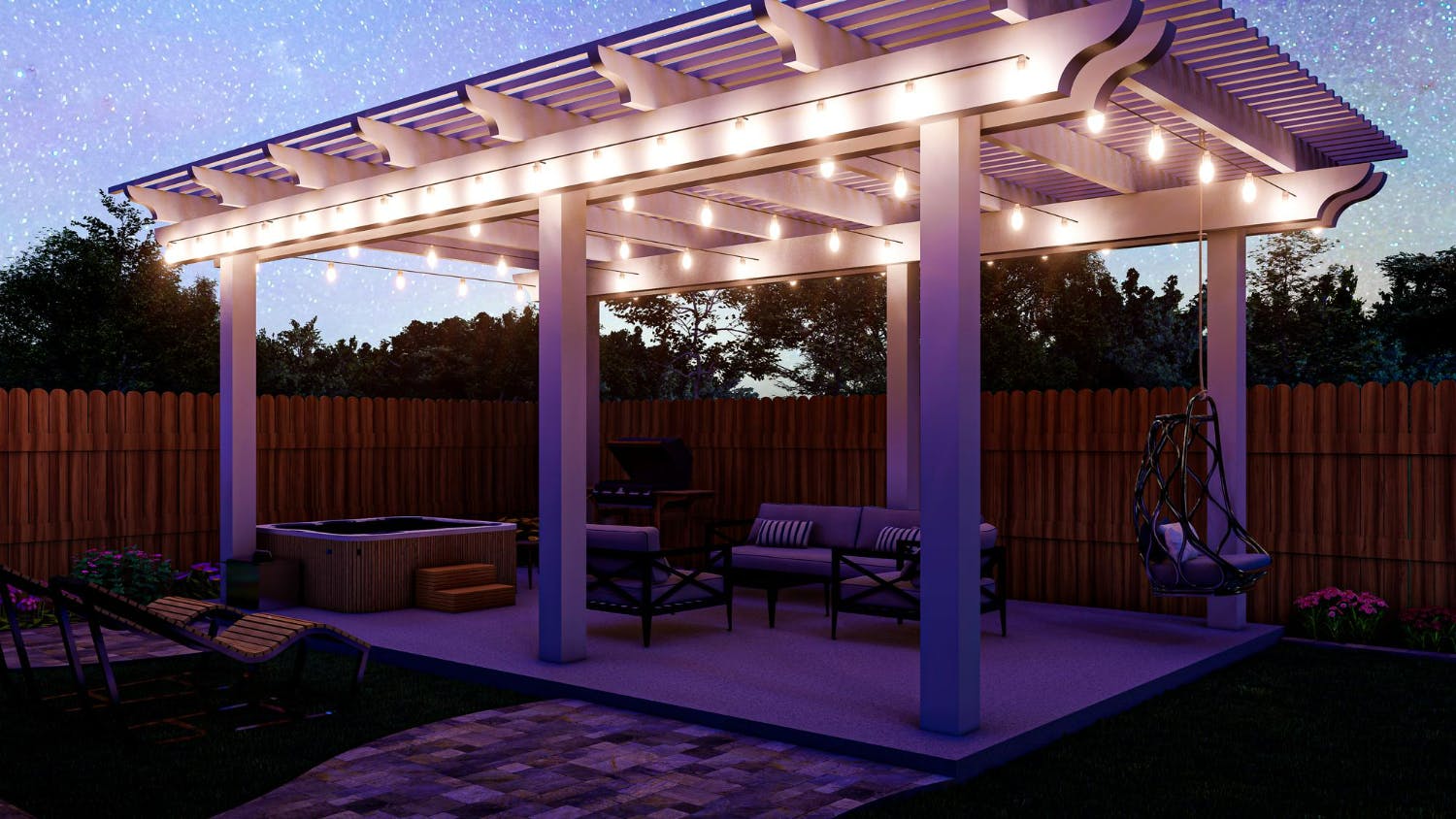
To create a warm and inviting ambience for evening use, you can add string lights, hanging lanterns, or integrated LED lighting kits. Electric heaters or patio fans with weather sensors also improve comfort, helping regulate temperature as conditions change.
You can also finish the space with personal touches such as outdoor curtains, cedar planter boxes, and comfortable lounge furniture to make the area feel complete and lived-in.
Your pergola can become whatever you want it to be from a quiet retreat to an entertaining hub. There’s no shortage of inspiration out there, especially on Pinterest!
Long-Term Value of Aluminium Beams for Your Pergola
Although the initial cost of aluminium beams is higher than timber, the long-term savings are worth investing in due to three main reasons:
- No regular maintenance costs: Unlike timber, which requires constant upkeep to protect against rot, termites, and weathering, aluminium beams require almost no maintenance.
- Longer lifespan: Aluminium beams are more durable and last longer than timber or steel. So there’s less of a need for replacements and repairs.
- Value over time: Over the years, the cost savings on maintenance and replacements outweigh the initial investment.
Ready to start your next outdoor project? Reach out to an expert at Spanmor for a quote and more detailed technical specs to make sure you are choosing the right aluminium beams suited for your plan.
Categories
Build Smarter with Aluminium You Can Trust
Dive into expert insights, guides, and practical advice on aluminium framing, decking systems, pergolas, and outdoor living solutions.

Sales Representative
Updated: January 26, 2026
Published: January 26, 2026
Categories
Build Smarter with Aluminium You Can Trust
Dive into expert insights, guides, and practical advice on aluminium framing, decking systems, pergolas, and outdoor living solutions.
 Spanmor Aluminium System - Limited Warranty